
Greetings from the President
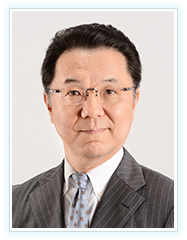
Masaki Nio
PresidentJapanese Study Group on Pancreaticobiliary Maljunction
I am honored to emerge as the 8th president of the Japanese Study Group on Pancreaticobiliary Maljunction(JSPBM).
The JSPBM is an academic organization dedicated to solving the challenges of basic, clinical, and epidemiological research in pancreaticobiliary maljunction (PBM) and related diseases.
In 1978, the first JSPBM meeting was organized by the founder and inaugural president, Dr. Nobuhiko Komi, to discuss the diagnostic criteria of PBM. In 1983, the diagnostic criteria review committee chaired by the former president Dr. Takuji Todani was established, and in 1987, the first diagnostic criteria were proposed. These criteria were revised in1990, and the current criteria were established in 2013. More than 30 years have passed since JSPBM started the PBM national registry in 1990, and all aspects of epidemiological data have been accumulated. In 2010, the PBM clinical practice guideline development committee chaired by Dr. Terumi Kamisawa was established jointly with the Japan Biliary Society. The first PBM clinical practice guidelines were issued in 2012. Since 2012, congenital biliary dilatation, the related disorder of PBM, has been the subject of research on intractable disease control funded by the Ministry of Health, Labor, and Welfare.
The JSPBM has conducted research in various PBM-related fields and has contributed significantly to improving treatment outcomes, establishing smooth transitional medical care for patients with childhood-onset conditions, strengthening follow-up systems, and providing health policy-related materials used by the national medical administration.
However, there are many unsolved problems, such as the details of PBM pathogenesis, the mechanism of biliary tract carcinogenesis, and optimal treatment and long-term management methods development.
A former president, Dr. Hisami Ando, raised the issues that the JSPBM should address as follows: to designate congenital biliary dilatation as a designated intractable disease under the national medical expense burden system, to establish the type classification system of PBM, to confirm the validity of various treatment methods by conducting follow-up surveys of the national registry, and to strengthen the power of the JSPBM by promoting our academic activities and increasing the JSPBM membership strength. Dr. Hideki Fujii, a former president, has advised revising the PBM clinical practice guidelines and correcting academic terminology specific to this field. However, these issues have not yet been fully resolved. In addition, Dr. Fujii stated, "We believe that PBM is the field in which there are many basic and clinical research subjects that are attractive to young researchers. While the JSPBM has led the world in this field from the dawn to the present, we hope to breathe new life into this field together with new young members.". I agree with this opinion.
New members are always welcome, and we would like to build the future of JSPBM together.
We believe that the national registry, collaboration with related academic societies, and implementation of multi-center studies are important clues to determining the direction the JSPBM should head. By expanding the framework of joint research from Japan to Asia and the rest of the world, JSPBM hopes to overcome various PBM-related problems and make global impacts. To fulfill the mission of the JSPBM, we ask for your kind understanding and cooperation.
September 2022
Masaki Nio, MD, PhD, FACS
President of the Japanese Study Group on Pancreaticobiliary Maljunction